Lighting Matters: How RGBIC Smart Lamps Change Frame Colors in Photos and Virtual Try‑Ons
Hook: You loved a frame in your living room—until the photo or virtual try‑on showed something different. If you use colored smart lamps (RGBIC) like the popular Govee models, you’re not alone: dynamic lighting can dramatically change how frame color, finish and texture read on camera and in AR. This guide explains why, shows real examples from 2025–2026 lighting trends, and gives clear, actionable steps to get accurate color previews for online shopping and virtual try‑on sessions.
Why shoppers worry (and why it matters now)
Online eyewear shopping surged through 2020–2025, and virtual try‑on became a must-have feature for retailers. But the same devices and décor that make your space look great—RGBIC smart lamps that create multi‑zone color gradients—can confuse cameras and AR engines. By late 2025 several smart‑lamp makers refreshed their RGBIC lines and lowered prices (Kotaku highlighted a Govee update and discount in January 2026), making colorful lighting common in more households. That’s great for ambiance, but challenging for accurate product appearance.
The problem in plain terms
Smart lamps with RGBIC (RGB Independent Control) let you paint multiple colors across a single lamp. That produces beautiful room vibes, but on camera those colors mix with the frame’s natural pigments and finishes. The result:
- Warm or cool color shifts (a neutral tortoise becomes amber under orange light).
- False highlights or color banding on glossy or metal frames where colored reflections dominate.
- AR/virtual try‑on mismatches because models were trained on standardized lighting while your camera captures multicolored scenes.
How RGBIC lighting alters frame appearance: the technical view
To fix the problem, start by understanding the mechanics. Here are the key factors:
- Multi‑zone color mixing: RGBIC lamps can illuminate different parts of a frame with different hues at once, creating non‑uniform coloration across rims and temples.
- Camera auto white balance (AWB): AWB algorithms try to neutralize scene color but will often average gradients, leaving residual color casts or shifting blacks and browns toward the dominant lamp color.
- Specular highlights: Polished metals reflect lamp colors directly—so a chrome temple will take on the lamp’s color at the reflection spot.
- Training data mismatch: AR try‑on systems generally perform best when the live feed approximates the lighting conditions used in training datasets (neutral white or daylight). Many advances came from improvements in on‑device ML models and edge inference, but RGBIC lighting creates inputs the model may not have seen often, reducing fidelity.
Examples — what changes with different frames
- Tortoiseshell / translucent acetate: These materials are especially vulnerable—colored light penetrates and changes perceived depth and warmth.
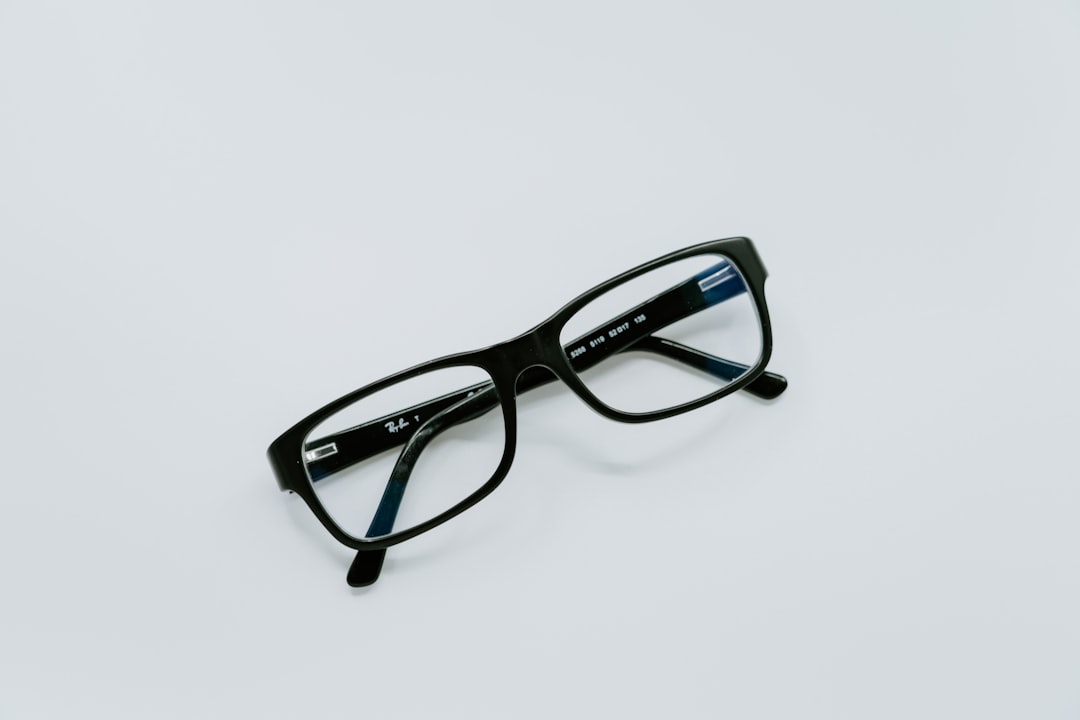
- Matte black: Colored ambient light can make matte black appear washed or tinted instead of neutral.
- Polished metal / plated finishes: Reflections become the lamp’s color—gold can look rose‑gold under pink LEDs, for instance.
2026 trends that affect color accuracy
As of 2026, several developments are relevant for eyewear shoppers and retailers:
- Higher adoption of RGBIC smart lighting: Affordable Govee RGBIC lamps and competitors brought dynamic lighting into more homes, making inconsistent lighting a common consumer variable.
- AR improvements: Virtual try‑on engines improved color prediction with on‑device ML models in 2024–2025, but they still rely on predictable lighting cues. Many platforms released features in late 2025 that allow users to select lighting presets (daylight, studio, warm) to improve matches.
- Device camera improvements: Smartphone sensors and in‑camera color processing improved, but AWB still struggles with multi‑hue scenes like RGBIC gradients.
- Increased emphasis on color management: Eyewear retailers in 2025–2026 increasingly provide multiple product photos under different lighting and include color swatches—good practice that helps offset smart‑lamp issues.
Practical lighting tips for shoppers: get accurate color previews
Whether you’re using a virtual try‑on or snapping photos to decide, follow these steps to reduce RGBIC interference and see truer frame colors.
1. Switch your lamp to a neutral preset (your “photo mode”)
Most RGBIC apps (Govee included) let you save scenes. Create a preset with these settings:
- Color temperature: 5000–6500K (daylight / D65). This is the standard for product photography and AR training data.
- Brightness: 60–80%—bright enough to reveal detail, not so bright that highlights clip.
- Single, uniform color: Avoid gradients. Use a single neutral white rather than multiple hues.
- CRI: If your lamp reports CRI, choose a setting with CRI > 90 or use a neutral LED bulb with high CRI when possible.
2. Lock your camera’s white balance and exposure
Auto modes will fight the lamp’s color. On most phones you can tap and hold to lock exposure and AWB, or use manual or “Pro” camera mode to set white balance to 5500K and set ISO and shutter to avoid motion blur. Locking these prevents the camera from reintroducing color shifts as you move.
3. Use a neutral background and reference card
Place an 18% gray card or a white balance card near your face or the frame when taking photos. This allows you (or a retailer) to correct color afterward and gives virtual try‑on tools a better scene reference. A plain, uncluttered background reduces color bleed from other objects.
4. Test multiple presets in the try‑on app
If the virtual try‑on offers lighting presets (studio, daylight, warm, cool), try each and compare results. Many apps now include at least one neutral daylight option—choose that for the most realistic color match.
5. Take photos in RAW when possible
RAW images retain full sensor data and allow accurate white balance corrections in post. If your phone or camera supports RAW (HEIF/RAW on modern smartphones), capture it and apply neutral correction with a simple editor.
6. Try a “lighting check” before buying
- Switch your lamp to the stored neutral preset.
- Lock AWB and exposure on your camera.
- Snap a photo with a gray card and a close crop of the frame.
- Compare to the retailer’s product photos—if the frame still looks different, test in natural daylight (near a north window) as a control.
Practical lighting tips for retailers and content creators
If you manage product pages or virtual try‑on tools, follow these best practices to reduce user confusion and returns caused by RGBIC lighting.
1. Provide multi‑lighting imagery
Include images of each frame under at least three conditions: studio daylight (D65), warm indoor (3200K), and a lifestyle photo with ambient home lighting. For 2026 shoppers, add a “room lighting” photo to show how RGBIC ecosystems may change appearance. See examples of how boutiques and microstores use local shoots and lighting to improve conversions.
2. Add a “Color Accuracy” badge and explanation
Label which photos are color‑calibrated and explain how to get accurate personal previews (e.g., “For best match, switch RGBIC lamps to our recommended preset and enable 'Neutral Lighting' in the try‑on app”).
3. Offer a lighting preset QR code
Some smart‑lamp ecosystems (including Govee) allow scene sharing via QR codes. Provide a downloadable QR code that automatically sets a Govee lamp to your recommended “product preview” preset—this removes friction and reduces mismatches.
4. Train your AR models for RGBIC variability
Advanced teams should augment training data with frames photographed under multi‑hue scenes (RGBIC gradients) and teach the model to isolate frame color. This is a higher bar, but 2025–2026 improvements in edge AI and on‑device ML make it more feasible and improves robustness.
Case study snapshots: real‑world scenarios
Below are concise examples you can test at home to see how much lighting changes perception.
Case A — Tortoiseshell acetate
Under a warm amber RGBIC scene, the tortoise pattern looks richer and more orange; under neutral daylight, the same frame reveals more brown and subtle contrast. Action: Use neutral preset for virtual try‑on; if you like the warmer look, keep that in mind as a styling choice—it's not the frame’s base color.
Case B — Matte black
Matte black loses depth if your lamp casts color; it can look faded or slightly tinted. Action: Keep lamp neutral and add a small, soft fill light to restore perceived contrast.
Case C — Polished silver
Polished metal reflects lamp color directly; a pink gradient can turn silver into rose‑silver wherever the reflection hits. Action: For shopping, view polished metals under neutral white light and in two lifestyle settings to understand the range of reflected tones.
Tools and gear checklist (what to use right now in 2026)
- Govee RGBIC lamp (or equivalent) — set neutral preset for previews.
- 18% gray card or white balance card — pocket size for quick corrections.
- Smartphone with Pro mode/RAW capture — allows controlled white balance and exposure.
- Color‑calibrated monitor for post processing (for retailers/content creators).
- Try‑on apps that support lighting presets or on‑device ML (look for “Neutral Lighting” or “Studio Mode”).
Quick checklist: before you buy online
- Switch your RGBIC lamp to a stored neutral or daylight preset.
- Lock AWB and exposure on your phone camera.
- Use a gray card and compare photos to the retailer’s product images.
- Try the frame in at least two lighting presets in the virtual try‑on app.
- Confirm the store’s return/exchange policy if you’re uncertain.
Final tips: what to do if colors still look wrong
- If the virtual try‑on and product images disagree, trust the color‑calibrated product photos under studio daylight as the baseline.
- Contact customer support and ask for closeups or a short video of the frame under neutral light.
- Order a single pair as a test if the retailer offers free returns—many shoppers use this strategy to confirm color in hand.
"Ambient lighting is the invisible variable in online eyewear. Control it and you control expectations." — Senior Optics Content Editor, 2026
Actionable takeaway
RGBIC smart lamps like Govee make homes look fantastic—just know they can distort frame colors in photos and AR try‑ons. The fastest way to get accurate previews: switch your lamp to a neutral daylight preset (5000–6500K, high CRI), lock your camera white balance, use a gray card, and compare images under multiple presets. Retailers should provide multi‑lighting images, share lamp presets, and continue training AR engines for varied lighting conditions. These small steps dramatically reduce surprises and returns.
Looking ahead — what to expect in the near future (2026–2027)
Expect smarter interoperability between smart lamps and shopping apps in 2026 and beyond. Scene‑sharing (lamp presets via QR), app‑to‑lamp SDK integrations, and improved AR models trained on RGBIC lit scenes will reduce mismatches. For shoppers, that means in‑home try‑ons that better match product photos. For retailers, it means fewer returns and more confident purchases—if they adopt these tools.
Ready to get accurate color previews?
Start by creating a “Product Preview” lighting preset on your RGBIC lamp (we recommend Govee or any lamp that supports scene sharing). Lock your camera settings, use a gray card, and compare—then try the frame on in the retailer’s neutral lighting preset. If you want help, our team at eyeware.store can walk you through a quick lighting checklist or provide product images under calibrated light.
Call to action: Try our free virtual try‑on now with a built‑in “Studio Mode” lighting option—or contact our eyewear experts for a personalized color check before you buy. Click to start your try‑on and get a lighting preset QR code you can scan into your Govee lamp for perfect previews.
Related Reading
- Studio Systems 2026: Color Management, Asset Pipelines and Mixed‑Reality Portfolios for Pro Digital Artists
- How Boutiques and Microstores Use Local Shoots and Lighting to Boost Sales in 2026
- Edge AI for Retail: How Small Shops Use Affordable Platforms to Improve Margins
- Field Review: PocketCam Pro for Cycle Creators — Workflows, Stabilisation, and Fast Edits
- How Compromised Gmail Addresses Break Your SEO Stack (and How to Fix It)
- Staging Local Hope: Producing Working-Class Plays in Maharashtra
- Set Up a Pro Live‑Streamed Product Shoot: Twitch + Bluesky Workflow
- The Prefab Housing Niche: Premium Domain Opportunities in Manufactured Home Marketplaces
- 3D Scans for Provenance: Promises and Pitfalls of Scanning Tech for Collectibles