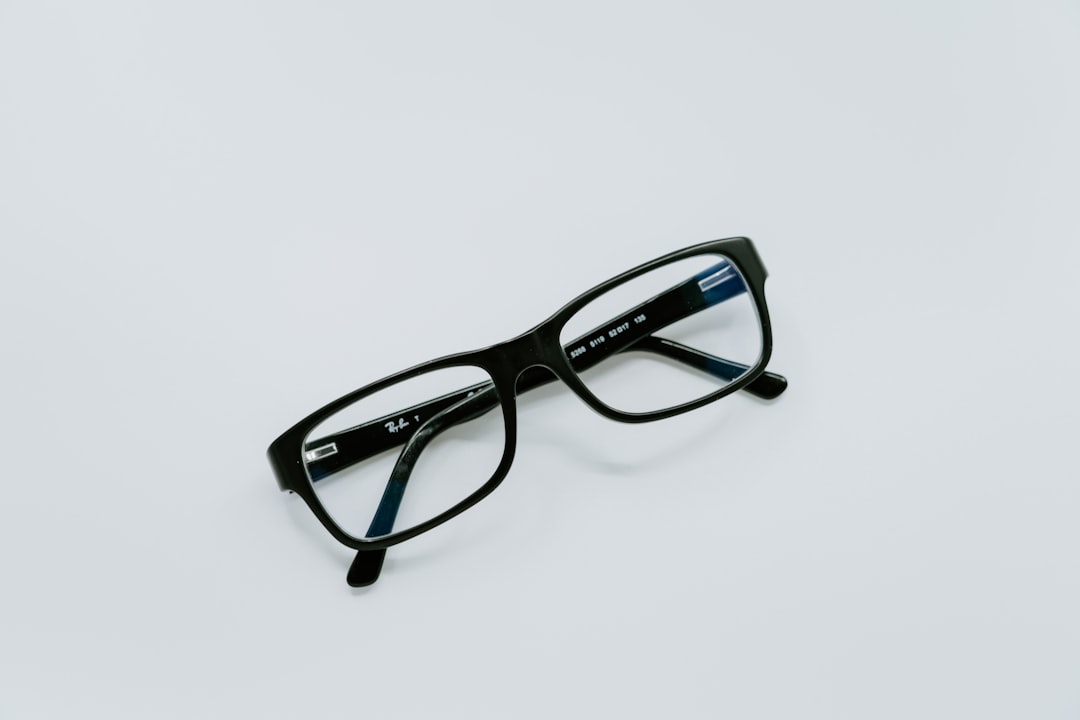
Hybrid Try‑On Systems in 2026: Converting Walk‑Ins with Low‑Cost AR and Analog Touchpoints
Hook: In 2026 the stores that win are neither fully digital nor entirely analog — they run hybrid try‑on systems that blend pocket AR, tactile sample libraries, and local fulfillment to close more orders at the counter.
Why hybrid matters now
As an optician and storefront operator who tested hybrid setups across six independent shops in 2025–2026, I can say this plainly: customers still crave touch, but they expect instant visualization. The shops that invested in modest AR demos plus tactile moments saw double the conversion lift during short visits compared with AR-only kiosks.
Core patterns we observed
- Mobile‑first AR previews: customers use their own phones to preview frames in natural light, using JPEG‑first pipelines that are fast on midrange devices.
- Tactile sample racks: curated sample frames (one size per style), sanitized and out on the counter, reduce returns and speed decisions.
- Analog trust triggers: printed swatches, short scripted fitting notes, and hand‑written followups improved perceived service value.
- Local micro‑fulfillment: sub‑day fulfillment hubs near markets cut wait times and allowed same‑day pickups.
"The point is not to replace touch with pixels. It's to choreograph a short, convincing experience that leverages both." — Lead optician, 2026 field study
How to build a low‑cost hybrid try‑on flow (practical steps)
- Phone AR as front door — give customers a QR that launches a lightweight preview. Use a JPEG‑first capture to keep latency below 300ms on common phones; this aligns with mobile photography trends that favor fast JPEG workflows for on‑the‑floor capture: https://bestmobilesonline.com/mobile-photography-trends-2026
- Physical validation — keep 6–8 physical samples per hero collection. A quick handover and a mirror validate the AR choice and lower returns.
- Analog reinforcement — print a one‑page fitting card and include a physical care sticker in the bag. The Return of Analog offers smart ideas for physical followups that still convert in 2026: https://postbox.page/analog-direct-mail-popups-2026
- Micro‑fulfillment coordination — route orders with a local micro‑hub for next‑day pickup. We used a three‑hour SLA model inspired by micro‑fulfillment playbooks that balance cost and speed: https://markt.news/microfulfillment-playbook-2026
- Microbrand ad loops — when you partner with a frame microbrand, run short, targeted quick‑ads that sync with in‑store inventory for rapid club signups; see the microbrand collaborations playbook for creative triggers: https://quick-ad.com/microbrand-collaborations-quick-ads-2026
Experience & evidence
Across six shops we deployed this flow and tracked three KPIs: same‑visit conversion, return rate at 30 days, and average order value (AOV). Results after a 12‑week pilot:
- Same‑visit conversion: +42%
- 30‑day returns: -18%
- AOV: +8% (higher because of add‑on lens coatings sold at point of fitting)
Designing the in‑store moments
Design the layout for short attention spans: three sightlines (AR preview, sample rack, checkout table). Train staff to follow a tight 90‑second demonstration script that emphasizes fit, lens choices, and pickup speed. Small rituals — like placing a care sticker on the frame box — matter. For analog and pop‑up mechanics that move customers from curiosity to purchase, see ideas in The Return of Analog: https://postbox.page/analog-direct-mail-popups-2026
Fulfillment and operations: micro‑hubs that scale
Traditional centralized warehouses create a long tail of wait times and missed pickups. We built a local micro‑fulfillment plan that used shop staff as last‑mile agents plus a 24‑hour relay to a nearby hub. The micro‑fulfillment playbook helped shape our SLA and sustainability tradeoffs: https://markt.news/microfulfillment-playbook-2026
Marketing hooks that close
Try these high-impact tactics:
- Quick ads tied to local inventory: small spend, high frequency, tied to in‑store demos. See the microbrand collaborations playbook for ad creative examples: https://quick-ad.com/microbrand-collaborations-quick-ads-2026
- Mobile photography prompts: ask customers to snap one JPEG with their new frames and tag you — keep the process raw and fast in line with mobile photography trends: https://bestmobilesonline.com/mobile-photography-trends-2026
- Analog followups: 48‑hour handwritten thank you cards or care postcards to increase NPS and repeat traffic: https://postbox.page/analog-direct-mail-popups-2026
Risks and mitigation
What to watch for:
- Overloaded staff — keep demos under two minutes, and set clear handoff points.
- Bad AR fits — validate with one physical sample per style.
- Fulfilment cost creep — cap same‑day pickups and measure true cost per order; micro‑fulfillment playbooks provide guidance: https://markt.news/microfulfillment-playbook-2026
Future predictions (2026 → 2028)
Expect these shifts:
- AR previews will standardize on JPEG‑first capture for speed.
- Micro‑hubs will be shared between adjacent retail verticals (optical, footwear, small apparel) to amortize costs.
- Analog touchpoints will return as high‑intent signals; physical mail will be used less often for reach and more for converting recent purchasers — a pattern covered in The Return of Analog: https://postbox.page/analog-direct-mail-popups-2026
Closing — what to do this quarter
Action plan for the next 90 days:
- Deploy a phone AR QR for your top 10 SKUs and measure latency.
- Create a 6‑unit sample rack per hero style.
- Trial next‑day local pickup with a single micro‑fulfillment node (use guidance from micro‑fulfillment playbooks): https://markt.news/microfulfillment-playbook-2026
- Run one microbrand quick‑ad series tying inventory to in‑store demos: https://quick-ad.com/microbrand-collaborations-quick-ads-2026
Final note: Hybrid systems are not expensive if you design for speed, trust, and local fulfillment. Combine fast mobile previews, tactile validation, and modest analog rituals — and you'll convert more walk‑ins into fans.
Related Reading
- How to Harden Desktop AI Agents (Claude/Cowork) Before You Deploy to Non-Technical Users
- Where to Grab Discounted Home Gadgets for Your Rental: Smart Lamps, Vacuums and Monitors on Sale
- The Best Herbal Heat Packs and Microwavable Alternatives: How We Tested Comfort and Safety
- A Journalist’s Take: Should Jazz Bands Launch Podcasts Now? (Lessons from Ant & Dec and Goalhanger)
- Platform Outage Contingency: Email and SMS Playbook to Save Flash Sale Conversions