Stop guessing how frames will look on camera — pick frames that photograph predictably
If you create content, your glasses are more than an accessory: they’re a visual anchor. Yet many influencers struggle with one core pain point — frames that look great in person but block eyes, glare under ring lights, or distort on smartphone cameras. This camera-first guide breaks down which frame shapes, colors, and coatings translate best on phones in 2026 so you can post with confidence.
Why a camera-first approach matters in 2026
Smartphone photography has become a double-edged sword. By late 2025 more mid-range phones included advanced computational portrait engines and AI-driven glare reduction, making it possible to create pro-looking portraits with a single take. Still, the physical interaction between frame materials, lens treatments, and light remains decisive.
Put simply: software can fix exposure and skin tone, but it can’t make oversized mirrored sunglasses show your eyes. That’s why creators who plan frames for the camera get better engagement — their facial expressions and eyes are visible, reflections are controlled, and the frame aesthetic reads clearly in thumbnails.
Quick checklist: Camera-friendly frames at a glance
- Choose balanced shapes that complement your face and minimize wide-angle distortion.
- Prefer anti-reflective (AR) coatings for content where eyes matter.
- Avoid extreme mirror tints for talking-head videos unless you want anonymity.
- Match frame color to skin tone and background contrast for thumbnail clarity.
- Use photo techniques (rear camera or 2x lens, soft key light + fill) to show frames accurately.
How smartphone cameras affect how frames read
Understanding how modern phone cameras operate will change the way you pick frames. Key factors:
- Focal length and distortion: Front-facing wide-angle lenses exaggerate the center of the face and shrink frame proportions at the edges. In 2026, many phones offer a telephoto front lens or software 2x portrait — use those for truer proportions.
- Dynamic range & HDR: Phones now pull detail from shadows and highlights aggressively. This helps retain frame detail but can also reveal distracting reflections in lenses.
- AI processing: Skin smoothing and edge-aware sharpening can soften frame texture or create halos around high-contrast frame edges. Turn off aggressive beauty filters when shooting eyewear close-ups.
- Polarization & sensors: Polarized lenses reduce surface glare but can interact with certain displays or filters. They won’t break most phone captures, but mirrored finishes create specular hotspots that can confuse auto-exposure.
Frame shapes: how they photograph and when to pick them
Below are the most common shapes influencers use and how they appear on smartphone cameras, followed by concrete styling and photography tips.
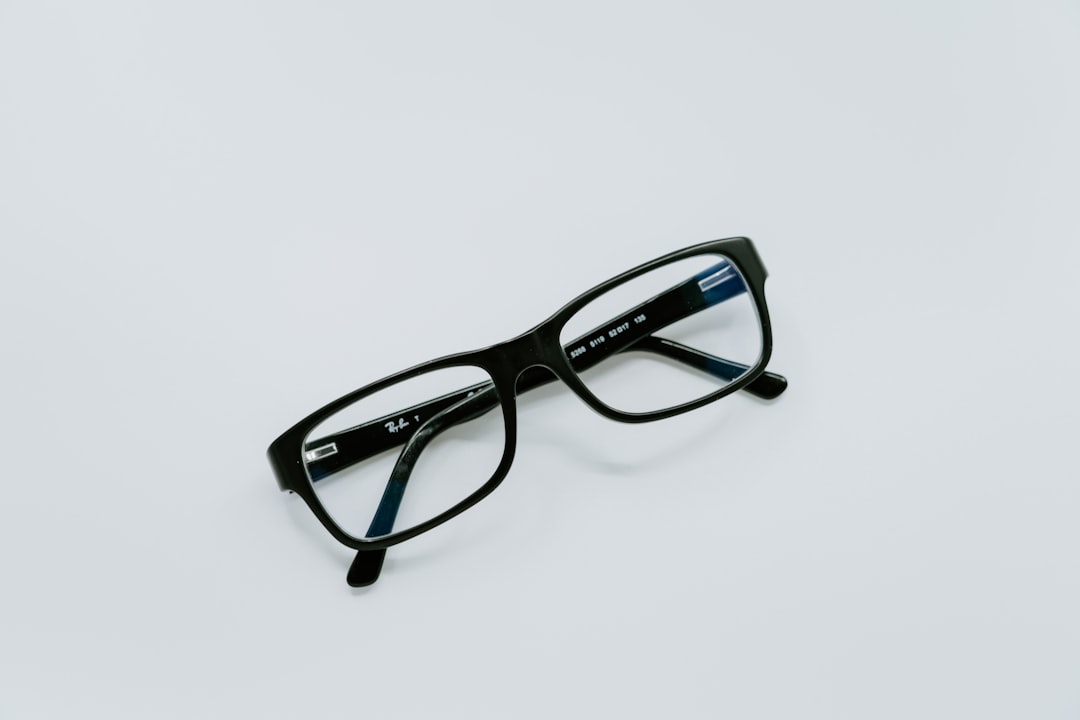
1. Rectangle / Square frames — the most camera-reliable
Why they work: The strong horizontal and vertical lines read well in thumbnails and resist wide-angle rounding. They anchor the face and maintain proportion even with minor distortion.
- Best for: round and oval faces — they add structure without overwhelming a frame.
- Camera tips: use a 2x or rear camera if you want the frame to appear true-to-size. Keep the key light slightly above eye-line to add a soft catchlight without strong lens reflections.
- Lens choices: clear lenses with AR coating to keep eyes visible; light gradient tints for outdoor b-roll.
2. Round frames — friendly, vintage, but watch distortion
Why they work: Round frames create a soft, approachable look. On wide-angle selfie lenses they can emphasize the nose and center; on longer focal lengths they look balanced and filmic.
- Best for: square and angular faces — they soften features.
- Camera tips: step back and use telephoto or the rear camera. Avoid extreme top-down angles — those make round frames dominate the composition.
- Lens choices: warm-tinted lenses (light amber) photograph well on golden-hour content; avoid heavy mirror coatings for talking-heads.
3. Cat-eye frames — high-fashion that performs on vertical video
Why they work: Cat-eye shapes emphasize the cheekbone and lift the face, making them ideal for social media where expression matters.
- Best for: oval and heart-shaped faces.
- Camera tips: shoot with soft side-fill to accentuate the lift and preserve frame silhouette in profile shots.
- Lens choices: translucent or pastel frames photograph as trendy pops without overpowering the face.
4. Aviators — cinematic but reflection-prone
Why they work: Aviators read instantly as cool and cinematic, especially in motion. They suffer most from reflections because of large curved surfaces.
- Best for: long or oval faces.
- Camera tips: position key light high and behind to create a rim light; use a fill panel in front to reveal eyes if lenses are lightly tinted. For heavily mirrored aviators, expect to hide eyes — that’s a stylistic choice.
- Lens choices: polarized or gradient lenses that darken the top will photograph with less mirror glare while keeping visibility in lower regions of the lens.
5. Oversized / statement frames — thumb-stopping but risky in thumbnails
Why they work: Oversized frames create a bold silhouette that can dominate a feed. However, when too large they obscure facial expressions in small thumbnails.
- Best for: editorial shoots, fashion content, or when you want to de-personalize the subject.
- Camera tips: compose with negative space and avoid tight crops. Use a slight backlight to separate frame from background.
- Lens choices: clear lenses with AR to keep eyes readable; avoid extreme dark tints unless you want an anonymous look.
Frame color: how hues translate to phone cameras
Frame color has outsized impact on how quickly a viewer's eye lands on your face. Phones push saturation differently depending on the scene and the brand’s color science, so choose colors with camera behavior in mind.
Neutrals — black, tortoise, translucent
Black frames provide maximum contrast and clarity on video, and camera algorithms rarely misinterpret them. Tortoise offers mid-contrast warmth and often reads as premium on social platforms. Clear and translucent frames (a major trend through 2024–2026) photograph with a modern, lens-over-glass look and carry ambient color, which can be an advantage.
Bright colors — red, blue, neon
Bright frames pop in thumbnails but can trigger oversaturation in some phones’ auto-processing. If you shoot against colorful backgrounds, a bright frame may compete for attention.
Pastels and muted tones
Pastels photograph softly and suit lifestyle and beauty creators. They pair well with 2026’s flat, editorial feed styles and play nicely with skin tones under diffuse daylight.
Coatings & lens treatments: practical rules for creators
Lens and frame coatings determine whether your eyes are visible, if specular hot spots appear, and how colors render. Here’s what to prioritize.
Anti-reflective (AR) coatings — the must-have for talking head content
Why: AR coatings reduce mirror-like reflections that hide your eyes and distract viewers. They also minimize colored hotspots that some phone sensors overemphasize.
Actionable tip: For interview-style videos and streams, choose lenses with a high-quality AR coating and clean them before every shoot to avoid oily smears that show up brighter on camera.
Mirror and gradient coatings — stylistic, not functional
Mirrored lenses are visually arresting in static editorial shots, but in vertical video they often create bright spots and hide eye contact. Gradient tints photograph more predictably; the top darkens while the lower area remains readable.
Blue-light and anti-smudge coatings
Blue-light filters can add a subtle cool cast in warm lighting; most cameras auto-correct, but test in advance. Hydrophobic coatings reduce fingerprints — a small but meaningful advantage for creators who handle frames on set.
Practical lighting and camera techniques to make frames pop
Good lighting is the most important variable when photographing eyewear. Use these setups that work with common creator rigs in 2026.
1. Three-point simplified for creators
- Key light: soft, slightly above eye level (softbox or large ring light). This delivers an even catchlight and reduces shadow under the frame.
- Fill: small reflector or second lower-intensity LED to open shadows and reduce reflections on the lens.
- Rim/hair light: placed behind and above to separate frames from background, giving them a defined edge in thumbnails.
2. Glare control techniques
- Adjust light angle — even a 15° shift in key light removes a specular hotspot.
- Use polarizing filters on larger lights or on a rear camera lens adapter to tame reflections during product close-ups.
- Switch to a telephoto lens or rear camera; increasing subject-to-camera distance reduces reflected source size in the lens.
3. Choosing the right camera mode
Use portrait mode when you want background blur that preserves frame edges; use RAW when shooting stills for editorial posts to control exposure and color. On current 2026 phones, the advanced portrait or cinematic modes allow you to set separation and shift bokeh post-shot — useful when a frame edge is accidentally softened.
Selfie & composition tips influencers often miss
- Avoid extreme close-ups with wide-angle selfie cameras: they make frames look larger at center and skew temples. Step back or use a 2x selfie lens.
- Maintain eye-line with the camera: tilt the phone slightly down for flatter perspective; tilt up only to emphasize the browline on cat-eye frames.
- Frame for the thumbnail: place your eyes at the top third of the frame and avoid cropping out the top of the frame’s silhouette.
- Control background contrast: dark frames need lighter backgrounds, and vice versa, so your frame reads in feed previews.
Mini case studies — real creator scenarios (experience-driven)
These quick examples show how small changes made big differences.
Case study A — @lena.creates (beauty creator, oval face)
Problem: Her thin metal frames were causing reflected ring light hotspots that hid eye detail in TikTok videos. Solution: She switched to AR-coated lenses and moved the ring light 10° to the left while adding a soft fill on the right. Result: Increased view time and stronger CTA clicks when her eyes were clearly visible in the first 2 seconds.
Case study B — @mark.ontheroad (travel influencer, square jaw)
Problem: Oversized mirrored aviators looked great in real life but hid expression on Reels. Solution: For talking-head segments he switched to a pair of tortoise aviators with a light gradient lens and used the rear 2x lens for closer facial proportion. Result: Better engagement and more saved posts for outfit reels.
Shopping checklist: what to ask for when buying camera-friendly frames
- Does the frame offer an anti-reflective lens option?
- Are there multiple lens tint options (clear/gradient/polarized)?
- Can you try virtually using the brand’s AR try-on with your phone’s front and rear cameras?
- Does the frame scale well at different focal lengths — ask for product photos taken with both selfie and rear camera?
- Is the frame color available in a neutral and one statement shade so you can test both on camera?
2026 trends influencers should know
- Virtual try-on got smarter: By 2026 most retailers use on-device ML to simulate how frames look under different lighting presets (studio, outdoor, golden hour). Use these presets to preview reflections and tint behavior.
- Clear and translucent frames remained a top trend: They photograph cleanly and pair well with diverse feed aesthetics.
- Lens coatings evolved: New AR stacks reduce the tell-tale green/purple AR sheen on video, and hydrophobic layers are standard for creators who handle frames often.
- Accessory ecosystem grew: Magnetic phone mounts, portable LED reflectors, and clip-on telephoto lenses have become budget-friendly tools to show frames more accurately on camera.
Common mistakes and quick fixes
- Mistake: Using only the front wide-angle camera. Fix: Use a rear camera or 2x selfie lens for true proportions.
- Mistake: Shooting with dark mirrored sunglasses for a talking-head. Fix: Use gradient or lighter tints when eye contact is needed.
- Mistake: Relying on automatic beauty filters that smooth spectacles edges. Fix: Turn off edge-softening filters and test one short clip before filming a full take.
Final actionable takeaways
- Pick frames with an AR-coated lens if eyes should be visible — it’s the single most impactful choice for creators.
- Prefer mid-contrast colors (black, tortoise, translucent) for reliable feed thumbnails.
- Shoot with a longer focal length (2x/front tele or rear camera) to avoid wide-angle distortion for frames.
- Control reflections with subtle lighting changes rather than heavy post-production — it keeps the frame crisp.
- Test frames under your usual content rigs and in your primary posting ratio (9:16 vs 4:5) before committing.
“A frame that performs on camera is the intersection of shape, treatment, and how you light it. Think like a photographer and design your eyewear for the first two seconds of a scroll.”
Where to go from here
If you’re building a content wardrobe, start by auditing three frames you already own: one neutral, one statement, and one sunglasses pair. Shoot 10-second clips with your usual lighting and both the front and rear cameras. Compare thumbnails and note which frames keep eye contact and maintain silhouette. That quick experiment tells you more than months of guesswork.
Call to action
Ready to pick camera-friendly frames that look great on phone cameras? Browse our curated selection of AR-coated, influencer-tested frames and try them virtually with your phone’s lighting presets. Shop now and access a creator’s guide with lighting setups, camera presets, and a 30-day photo guarantee so you can post with confidence.
Related Reading
- The Evolution of Continuous Glucose Monitoring in 2026: New Realities and Actionable Steps
- Careers in Sports Integrity: How to Join the Fight Against Match-Fixing and Point-Shaving
- Preorder Guide: Where to Get the Best Price on Magic's Teenage Mutant Ninja Turtles Set
- Renters’ Checklist: Securing Shared Smart Home Devices and Bluetooth Accessories in Multi-Unit Dwellings
- Real-Time Pricing Dashboards: Architecting for Market Volatility Alerts