Hook: Better photos, faster turnaround—what an indie frame brand needs in 2026
In 2026 shoppers judge frames before they scroll. The images and short clips you publish must communicate fit, finish, and personality in under three seconds. This field review tests compact kits that let small teams shoot high‑quality imagery on location, deliver fast galleries, and run short live try‑ons without a production house.
Test methodology
We evaluated five compact setups across three scenarios: studio product stills, neighborhood pop‑up portraits, and a 30‑minute live creator try‑on stream. Key metrics were setup time, battery life, image upload latency, and conversion lift. For comparison to broader streaming benchmarks, see The Best Live‑Streaming Camera Setups for Long Sessions (2026 Benchmarks) and the field notes on compact streaming rigs for viral sellers: Field Review: Compact Live‑Streaming Rigs for Viral Sellers (2026).
What we tested (kits)
- Phone‑first kit: midrange phone gimbal + clip lens + LED panel.
- Mirrorless hybrid: compact mirrorless body, 35mm macro, 1‑panel LED + bounce.
- Minimal studio: small monolight, softbox, APS‑C camera, tethered laptop.
- Streaming‑heavy: mirrorless + capture dongle + compact switcher for multi‑angle try‑ons.
- Creator pack: phone gimbal, portable SSD, battery‑backed LED, compact NAS for same‑day delivery.
Key findings
- Phone‑first workflows win for speed: Midrange phones with good optics and on‑device AI deliver usable e‑commerce stills and clipped short videos that convert. For a discussion on how midrange phones lead creator workflows in 2026, read this overview: From Pocket Hubs to Mini Studios: How Midrange Phones Lead Creator Workflows in 2026.
- Live try‑ons benefit from low latency capture: A capture dongle plus a compact switcher produced the smoothest multi‑angle streams. Benchmarks for long streaming setups are helpful context: Best Live‑Streaming Camera Setups (2026).
- Local storage matters: Offloading to a pocket SSD and syncing to a home NAS saves time and reduces repeat shoots. If you’re scaling content production, check the 2026 roundup for home NAS devices catering to creators: Best Home NAS Devices for Creators (2026).
- Secure live streams for customer try‑ons: When you stream live try‑ons from pop‑ups, secure capture and controlled replay are essential—both for user privacy and to prevent leaks of unreleased SKUs. Explore secure live photo stream practices here: Secure Live Photo Streams: Integrating PhantomCam X & Edge Security (2026).
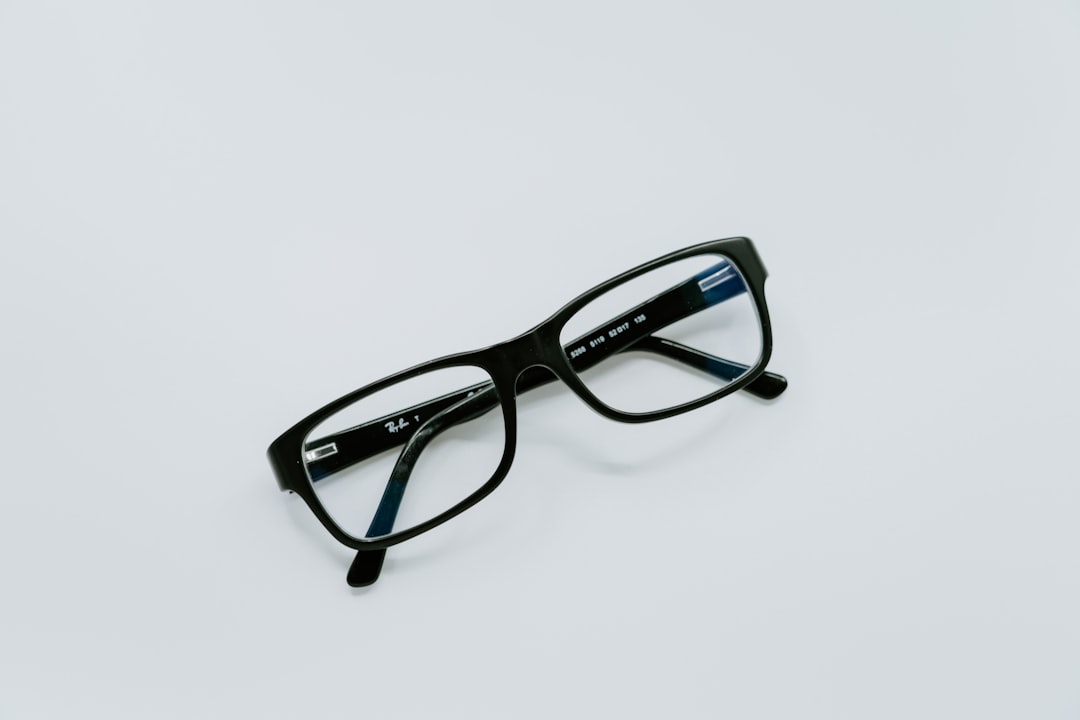
- Watch‑style closeups drive perceived quality: Tight, high‑magnification shots that show hinge detail and lens edge finish significantly improve perceived value—techniques borrowed from watch photography for eCommerce are applicable: Watch Photography for eCommerce: How One Creator Reached 100K Subs Using Affordable Gear.
Workflow we recommend for small teams (step‑by‑step)
After testing, here’s a compact, repeatable workflow that balanced quality and speed:
- Arrival & prep (10–15 mins): clean frames, quick QC checklist, assign model/hand props.
- Hero stills (15 mins per model): phone on gimbal for live preview + one mirrorless for tight detail.
- Micro‑video (5 mins): 20‑second tilt + pan + close hinge shot, captured to phone and backup SSD.
- Live try‑on (20–30 mins): router on battery, capture dongle, stream to private link for attendees.
- Offload & sync (10 mins): SSD + local NAS sync. Fast previews uploaded to CDN/edge cache for same‑day galleries.
Kit recommendations (value oriented)
- Midrange phone with good internal stabilization (one device handles most captures).
- Compact LED panel with dimmer and battery pack.
- Lightweight 35mm lens for mirrorless bodies for detail shots.
- Pocket SSD (1TB) and a small NAS for overnight sync.
- Capture dongle and low‑latency switcher for live multi‑angle streams.
Costs vs. ROI
Initial outlay for the compact stack is under a modest six‑figure local currency amount for most markets in 2026. The ROI appears within 2–3 micro‑events when you measure uplift in email signups, fitted appointments, and direct conversions from live streams. If you want deeper comparisons for SSDs, packs and streaming rigs that creators use, this field review helps prioritize spend: Portable Productivity Kit Field Review (2026).
Security, backups and compliance
Always obtain consent for live try‑ons and UGC. Keep a secure chain from capture to gallery: encrypted SSDs, access‑controlled NAS, and ephemeral streaming links. For best practices when streaming and securing capture, refer to secure stream guidelines and reviews: Secure Live Photo Streams (2026).
Final verdict
The compact phone‑first + selective mirrorless approach gives the best balance of speed and image quality in 2026. It enables small teams to run multiple micro‑events per week, populate product pages rapidly, and support creator commerce lanes with dependable content delivery. For learning how creators turn product photography into audience growth, this case study on watch photography is instructive: Watch Photography for eCommerce Case Study.
Speed and repeatability beat perfection. With the right kit and a reproducible workflow, a small eyewear brand can outproduce competitors twice its size.
Further resources
- Compact Live‑Streaming Rigs Field Review (2026)
- Best Live‑Streaming Camera Setups (2026 Benchmarks)
- Best Home NAS Devices for Creators (2026)
- Watch Photography for eCommerce Case Study
- Portable Productivity Kit Field Review (2026)
Related Reading
- Designing Limited-Run Jerseys That Sell Out: Lessons from Crossover Collectible Drops
- Natural Methods vs App-Based Birth Control: Safety, Effectiveness and What the Research Says
- From Micro‑App to Public Service: Scaling Domain Strategy as Internal Tools Go Live
- What the EDO vs. iSpot Verdict Means for Adtech Investors and Dividend Safety
- How to Build a Hygge-Inspired Reading Nook with Tech, Textiles, and Mood Lighting